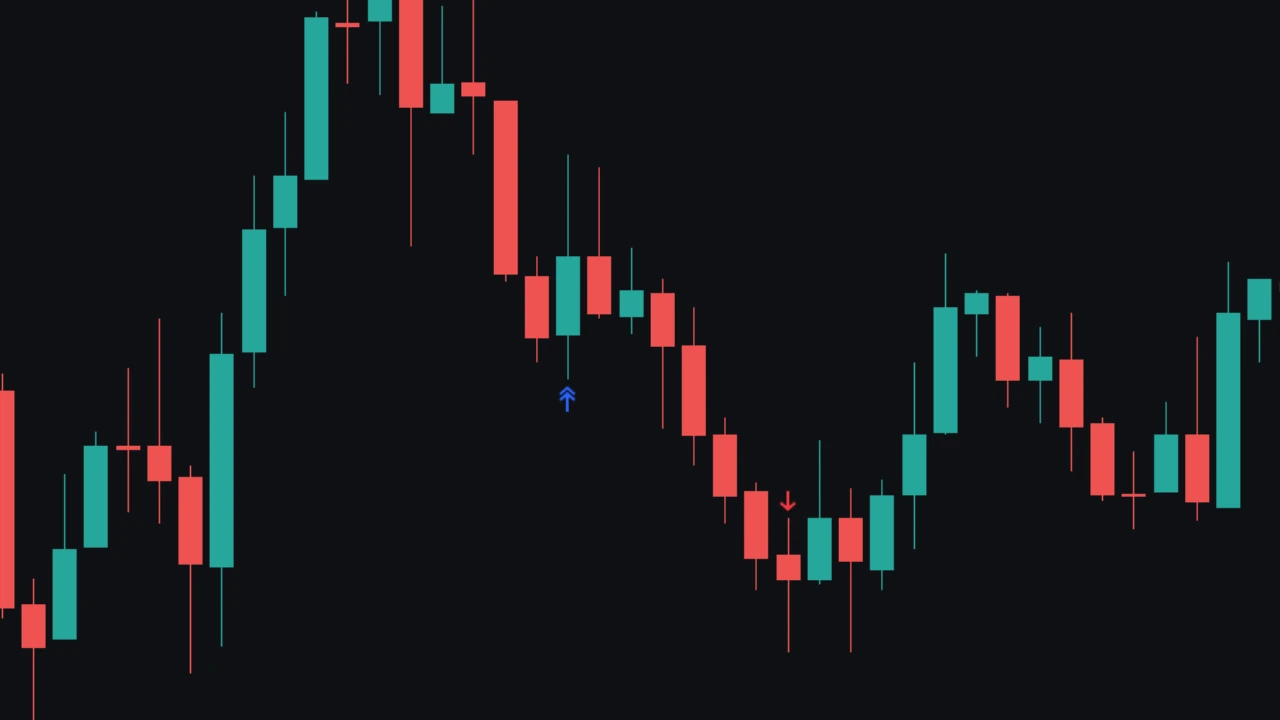
Trading Discipline: Don’t Touch Your Stop Loss in Trading
The stop was part of the plan… until you touched it.
Many trading losses become larger the moment a trader interferes with the original stop loss. The stop was placed as part of the trading plan, but emotions during the trade often lead traders to change it.
Many traders recognize this situation.
A trade is open and the market begins moving toward the stop loss. The loss is still small and exactly within the planned risk.
Watching price approach the stop can create pressure. Instead of accepting the planned outcome, the trader moves the stop slightly further away, hoping the market will reverse.
Sometimes the market turns. But often the loss becomes larger than the original plan allowed.
Why traders hesitate
Moving a stop loss usually comes from fear of accepting a loss. Even when traders understand risk management, losing money creates emotional pressure in the moment.
The mind begins searching for reasons to delay the loss. Maybe the stop was too tight. Maybe the market needs more space. Traders start adjusting the trade while it is already active.
In reality, the stop loss was already part of the risk calculation before the trade started.
What trading discipline really means
Trading discipline means respecting the rules created before entering the trade. The stop loss defines the maximum loss the trader is willing to accept.
When traders begin moving stops during the trade, the original plan disappears. The trade is no longer controlled by rules but by emotions.
Professional traders understand that losses are part of trading. A stopped-out trade simply means the market did not behave as expected.
Discipline means accepting that outcome and moving on to the next opportunity.
Over time, traders who respect their stop losses maintain better risk control and develop more consistent trading behavior.