Trading Discipline: Don’t Adjust Trades Right After Entry in Trading
When you start adjusting the trade seconds after entry, maybe the setup wasn’t from your system.
Many traders begin managing a trade almost immediately after entering. This often reveals uncertainty about the original setup or a lack of confidence in the trading plan.
Many traders recognize this moment.
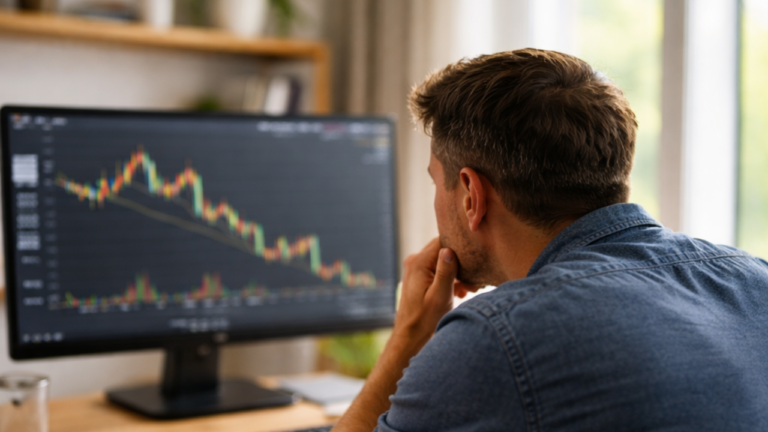
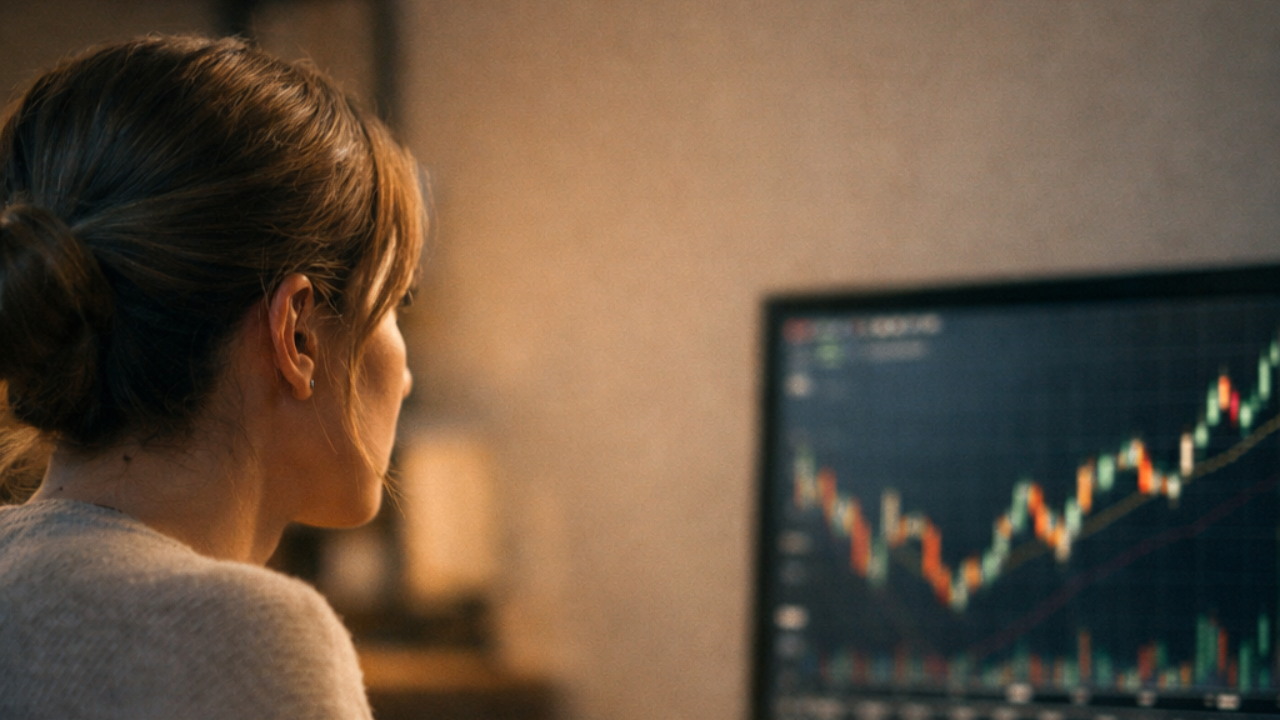
A trade is entered according to a setup, but seconds later the trader begins watching every small price movement. The mouse moves toward the close button. The stop loss is reconsidered. The trader feels the need to “do something” immediately.
Instead of letting the trade develop, the trader starts interfering with it. Small adjustments, early exits, or emotional reactions begin to appear. The trade becomes something that needs constant control.
Why traders hesitate
This behavior usually comes from emotional pressure.
Once money is involved, the mind becomes extremely sensitive to every price movement. A small fluctuation suddenly feels significant. The trader begins searching for reasons to adjust the trade.
Fear of loss is often the main trigger. The mind tries to reduce discomfort by interfering with the position. Instead of trusting the original plan, the trader reacts to short-term market noise.
Sometimes this happens because the setup was not fully trusted in the first place. Entering a trade without full conviction often leads to immediate management and emotional decisions.
What trading discipline really means
Trading discipline means trusting the work that was done before the trade.
A trading system is designed to remove emotional decision-making during the trade itself. The entry, stop loss, and risk level are defined before the position is opened.
Once the trade begins, the role of discipline is patience.
Some trades will move against the position at first. Some trades will lose completely. That is part of trading. Discipline means allowing the trade to follow the plan instead of reacting to every small movement.
Many traders struggle not because their strategy is wrong, but because they interfere with their trades too quickly. Learning to trust the system and allow the trade to develop is a core part of long-term trading consistency.