Trading Discipline: Don’t Move Your Stop Loss to Feel Safe in Trading
When you move your stop loss closer just to feel safer, the fear might be stronger than the plan.
Many traders move their stop loss during a trade because the market movement creates discomfort. This reaction often shows that the emotional pressure of the trade is stronger than the original trading plan.
Many traders recognize this exact moment.
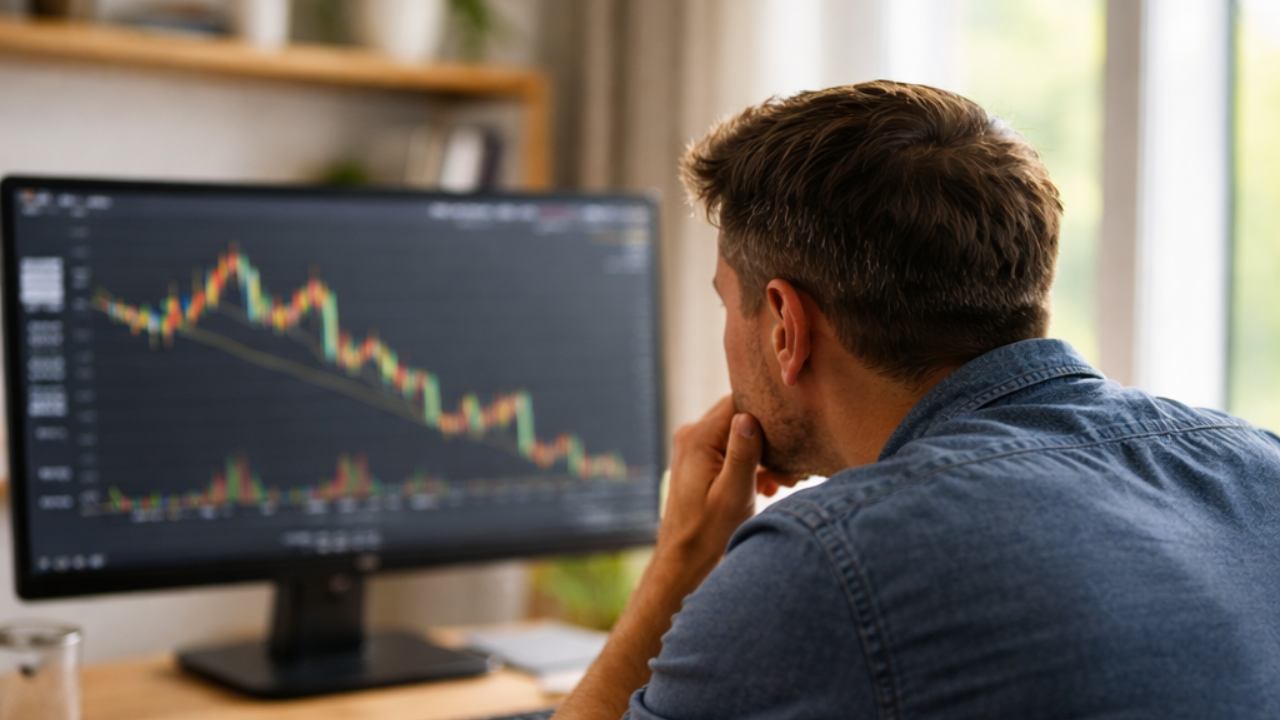
The trade is open and the market moves slightly against the position. Nothing unusual is happening on the chart, but the trader begins to feel uncomfortable.
The stop loss suddenly feels too far away.
The trader moves it closer to reduce the possible loss.
Sometimes the market then moves normally and hits the new stop loss before continuing in the original direction.
Why traders move their stop loss
Moving the stop loss is usually driven by fear.
When real money is involved, even small price movements can create emotional pressure. Traders begin focusing on the potential loss instead of the trading plan.
The mind starts looking for ways to reduce the discomfort.
Moving the stop loss closer feels like gaining control over the situation.
But this decision is often emotional rather than strategic. The stop loss was originally placed based on market structure, risk management, or the rules of the trading system.
Changing it during the trade can break that structure.
What trading discipline really means
Trading discipline means following the plan that was created before the trade began.
A trading plan already includes the entry, the stop loss, and the acceptable risk. Once the trade is active, constantly adjusting those decisions based on emotions can destroy the consistency of the strategy.
Losses are part of trading, and every trading system expects them.
Discipline means accepting that reality and allowing the trade to play out according to the plan. Over time, this consistency helps traders manage risk better and evaluate their strategy objectively.
Simple trading discipline often comes down to one rule:
make decisions before the trade, not during emotional moments.