
Trading Discipline: Your Position Is Too Big in Trading
If one trade can damage your account, your position is too big.
This simple rule highlights one of the most common problems traders face: risking too much on a single trade. When a single position has the power to seriously damage an account, the trader is no longer managing risk properly.
Many traders recognize this situation. A trade looks very strong, and confidence increases. The trader decides to increase the position size because the setup “looks perfect.” But the market does not always behave as expected.
When the trade moves against them, the emotional pressure becomes intense. A normal loss suddenly feels much bigger because too much money was placed on one decision.
Why traders hesitate
Large positions create emotional pressure. When too much capital is at risk, every small price movement begins to feel important.
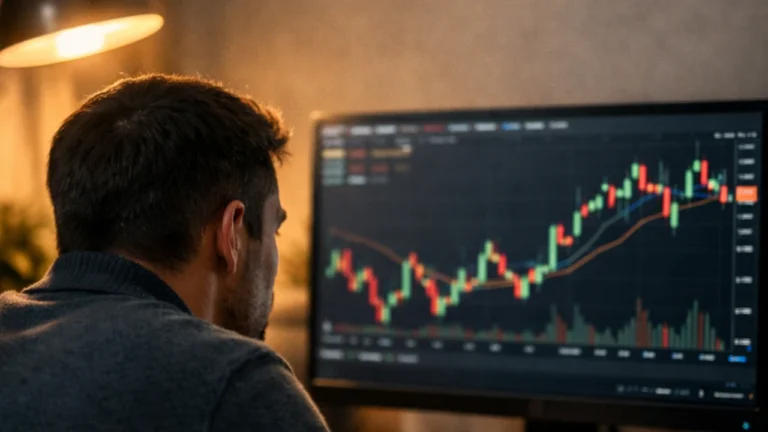
Fear of losing money increases. Traders start watching every candle closely, hoping the market will move in their direction. If the trade moves slightly against them, anxiety grows quickly.
Oversized positions often come from overconfidence or the desire to recover previous losses faster. Traders may believe a particular setup is extremely strong, or they may try to make back losses with a single trade.
But trading decisions made under emotional pressure often lead to mistakes. Large positions reduce the trader’s ability to stay calm and follow the plan.
What trading discipline really means
Trading discipline means controlling risk before the trade begins. Position sizing is one of the most important parts of a trading plan.
A well-structured plan ensures that no single trade can seriously damage the account. Losses are expected in trading, and proper risk management keeps those losses small and manageable.
When traders keep position sizes reasonable, they can stay calm and think clearly. This makes it easier to follow the trading plan consistently.
Over time, disciplined position sizing helps traders survive losing streaks, protect their capital, and remain active in the market long enough for their strategy to work.