
Trading Discipline: Stop Trading After a Losing Day in Trading
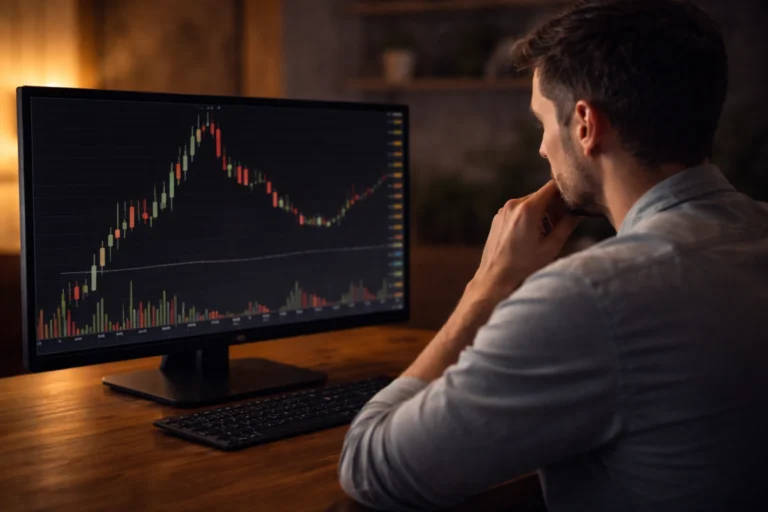
When you keep trading after a losing day, maybe protecting the account is no longer the focus.
Many traders continue trading after several losses in the same day. This behavior often shows that emotions are starting to guide decisions instead of the trading plan.
Many traders recognize this moment. A few trades go wrong and the account is down for the day. Instead of stepping away, the trader opens another chart and looks for another opportunity.
The goal slowly changes. The focus is no longer finding a good setup. The focus becomes recovering the losses from earlier trades.
Sometimes this leads to more trades taken too quickly or without the usual patience.
Why traders hesitate
Continuing to trade after losses often comes from emotional pressure. Losing money can create frustration and the strong desire to get it back immediately.
The mind begins searching for a quick recovery trade. One more setup. One more chance to return to break-even.
This pressure can make traders ignore their normal rules. Position sizes may increase, entries become rushed, and patience disappears.
What started as normal trading slowly becomes emotional decision-making.
What trading discipline really means
Trading discipline means protecting capital first.
A trading plan usually includes limits for daily losses or clear rules for when to stop trading. These rules exist to prevent emotional decisions after losing trades.
Stopping after a losing day is not failure. It is risk management.
Professional traders understand that trading is a long-term activity. One day does not determine the outcome.
Protecting the account allows the trader to return the next day with a clear mind and a fresh perspective.
In the end, discipline is not only about taking trades correctly. It is also about knowing when the best decision is to stop trading and protect the capital.